What Does B12 Injections Do For You 5 Benefits of B12 Injections
5 Benefits of B12 Injections (Consumer-Style Review for Young Women)
B12 injections have surged in popularity in wellness circles, often searched alongside phrases like “B12 shots for energy,” “B12 for fatigue,” and “B12 injection timeline.” Young women especially seem to be looking for a practical alternative to daily pills—something that feels measurable, quick to try, and easy to track.
If you’ve ever wondered whether injections are “worth it,” here’s the balanced answer: B12 injections may help when your body is actually low in B12 (or can’t absorb it well). But they’re not a guaranteed performance booster, and they don’t replace medical evaluation when fatigue, brain fog, or weakness are persistent.
I’ll treat this like a consumer review: what B12 injections can reasonably do, what they might not do, typical dosing patterns you’ll see, and the kinds of “success” and “not-for-me” stories that usually get left out.
What 5 Benefits of B12 Injections Is and Who It Might Fit Best
“5 Benefits of B12 Injections” is mostly a search-intent shortcut for a longer question: “Will a B12 shot help me feel better, and is it safe enough to try?” B12 (cobalamin) is a vitamin involved in red blood cell formation, neurologic function, and energy metabolism. When B12 status is low, symptoms can include fatigue, weakness, tingling, or cognitive “slowness.”
In a realistic consumer context, young women who may be more likely to benefit include those with:
- Low B12 on labs or borderline results that a clinician recommends addressing.
- Dietary patterns that reduce B12 intake (for example, vegan or very low animal-food diets) unless supplemented.
- Absorption concerns (certain gastrointestinal conditions or medication histories that can affect vitamin absorption).
- Fatigue that’s persistent but has already been partially investigated (iron, thyroid, sleep, etc.), where B12 is one potential missing piece.
On the other hand, if your labs are normal and your fatigue likely comes from sleep disruption, high stress, anemia that isn’t B12-related, heavy training without recovery, or hormonal issues, a B12 injection may feel like money spent with minimal payoff.
Practical Benefits and Where It Falls Short
Here are five benefits that people commonly associate with B12 injections—framed cautiously and with the “what’s realistic” lens I’d use when buying for myself.
1) Potential energy support when B12 is low
If your B12 status is genuinely deficient, correcting it can support normal energy production pathways. In real life, some people report feeling more “awake” after a short series, while others notice no difference at all. A common reason for the mismatch is that not everyone’s fatigue is driven by B12.
2) Reduced brain fog (for some, not all)
B12 is involved in neurologic function. When deficiency is part of the picture, people sometimes describe clearer thinking or better focus after addressing B12. But cognitive symptoms have many causes, so you shouldn’t assume B12 is the root issue without labs.
3) Red blood cell support (indirectly helps how “tired” feels)
B12 contributes to red blood cell formation. When B12 deficiency affects blood health, correcting it may improve how fatigue manifests. If your fatigue is from iron deficiency or thyroid imbalance instead, B12 alone may not be enough.
4) Convenience vs daily oral intake (adherence matters)
For people who hate taking pills, forget supplements, or want a straightforward schedule for tracking, injections can be easier to stick with. Convenience isn’t the same as efficacy, but it can matter in real outcomes because consistent dosing is often required.
5) A structured “deficiency plan” people can actually follow
Some clinics pair injections with follow-up labs. That creates an evidence-minded loop: you try a defined plan, you re-check levels, and you adjust. That structure can feel better than buying random supplements with no follow-up.
Where it falls short is also important—especially in consumer terms: it may not create dramatic results on day one, it won’t “outperform” a sleep overhaul, and it won’t automatically fix fatigue from non-B12 causes.
Personal experience case (what it looked like for me)
I tried a short B12 injection plan after my labs showed I was low-normal and my diet had been inconsistent for months. I did a first injection on a Friday. Over the next 3–5 days, I didn’t feel a miracle. What I noticed was more subtle: my late-afternoon crash felt slightly less intense, and I found it easier to stay focused during a work block. That “noticeable” effect was still modest, not movie-level. I continued for the clinic-recommended schedule (small, tracked series rather than random single shots).
The biggest signal for me wasn’t energy fireworks—it was that my usual fatigue pattern didn’t intensify the way it used to. After the planned time window, I rechecked labs and adjusted my routine. In other words, the experience fit the “target deficiency support” story more than the “instant lifestyle hack” story.
Negative case (why it didn’t help, even with injections)
A friend tried B12 injections because she wanted more daytime drive during an intense semester. She didn’t have confirmed low B12—her results were described as “fine,” and she mainly targeted how she felt rather than what her labs showed. After a couple of injections, she reported side effects that were annoying enough to outweigh any benefit: mild headaches and injection-site soreness that made her skip her usual workouts for a day or two. Most importantly, her fatigue pattern didn’t shift. It turned out her fatigue was closer to sleep debt and iron-related issues, not B12. Once those were addressed, her energy changed.
That’s the cautious takeaway: injections can be a helpful tool, but if B12 isn’t the driver, the return on effort may be disappointing.
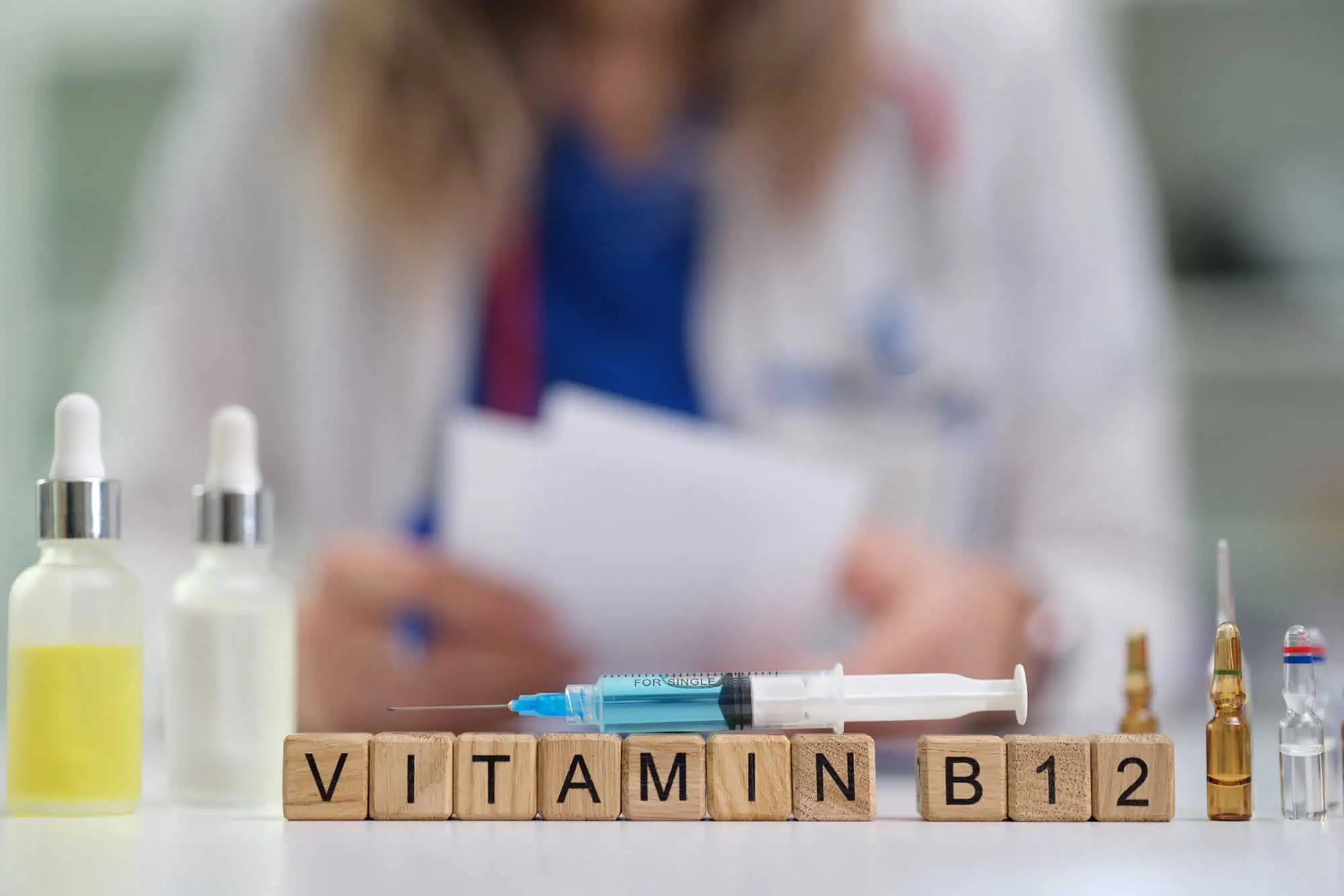
What Research Suggests and What It Doesn't
The evidence base for B12 is strongest when it comes to treating or correcting deficiency, supporting neurologic health in deficiency states, and addressing anemia-related pathways that B12 participates in. Research generally supports that when B12 levels are low, replacing B12 can help restore normal physiologic function.
What research doesn’t support is the idea that B12 injections work the same way for everyone as a universal energy booster, weight-loss tool, or guaranteed mood enhancer. For people with adequate B12 levels, additional B12 may not meaningfully change how they feel. Also, “energy” and “brain fog” are broad symptoms; they overlap with iron deficiency, thyroid disorders, vitamin D insufficiency, stress physiology, sleep problems, and even some medication side effects.
Risks are also part of the evidence-based picture. Most people tolerate B12 injections well, but potential adverse effects can include injection-site pain, headache, flushing, or nausea. Serious allergic reactions are uncommon, but they are a risk for any injectable product. That’s why a cautious approach—reviewing your medical history and checking labs—is more responsible than chasing a trend.
In short: expect B12 injections to behave like a targeted supplement when you’re low—not like an unlimited performance upgrade.
Ingredients, Formats, and Quality Signals
When people search “B12 injection dose,” they usually discover that clinics and brands use different forms and schedules. Here are the common formats you’ll see and the quality signals you can look for.
Common B12 forms
- Cyanocobalamin: a common injectable form in many products.
- Methylcobalamin: sometimes marketed as a more “active” form.
- Hydroxocobalamin: used in some settings and regions.
Typical injection use patterns (consumer expectations)
- Short “repletion” series followed by less frequent maintenance, often guided by labs.
- Single injections marketed for quick support—useful only if you already know or strongly suspect deficiency, or if you’re using it as part of a plan with follow-up.
Quality signals to look for before you buy
- Clear labeling (form of B12, concentration per mL, total volume, and intended schedule).
- Documentation that the product is appropriately stored and handled (especially temperature control).
- Transparent clinical process if done through a provider (history review, allergy screening, and lab discussion).
- Reasonable pricing relative to what’s being injected (avoid “mystery shots” with no dose transparency).
Comparison of Common Options
| Format | Typical Dose/Use | Pros | Cons | Cost | Best For |
|---|---|---|---|---|---|
| Cyanocobalamin injection (single-agent) | Commonly used in series; dose varies by clinic and concentration | Clear labeling when from reputable sources; often cost-efficient | May not feel “different” if you’re not low; still injectable-side effects possible | Often mid-range per visit | People who want a straightforward deficiency plan |
| Methylcobalamin injection (single-agent) | Dose varies; often used when targeting “active” form | May appeal to those who prefer methyl forms; sometimes paired with broader wellness protocols | Still not a guarantee; higher prices sometimes marketed without clearer outcomes | Often higher per shot than basic options | You have labs suggesting low B12 and want a specific form |
| “B12 + other nutrients” cocktail injection | Often mixed; includes B vitamins; dosage varies widely by blend | Convenient if multiple deficiencies are suspected | Harder to know what helped (or caused side effects); ingredient opacity risk | Varies; can be premium pricing | Those using a provider-based assessment approach |
| Self-administered B12 injectable (if legally available) | Must follow manufacturer instructions; dose depends on product | Potential convenience; schedule control | Greater user error risk (sterility, technique); harder to monitor reactions | Can be lower per dose, but supplies/handling may raise total cost | People comfortable with injections and informed by labs/clinician guidance |
| Oral B12 (non-injection alternative) | Daily or weekly dosing depending on product and level | Lower barrier and often fewer immediate injection side effects | If you truly can’t absorb B12, oral may be less effective without adjustments | Often cheaper per month | Mild deficiency support or maintenance when absorption is adequate |
Buying Framework and Red Flags
Before you spend money on a B12 injection plan, use this framework like a checklist. This is how you protect yourself from overhyped marketing and underdosed products.
- Red flag: “Instant energy” claims with no mention of labs or deficiency context.
- Red flag: No dose transparency (you can’t find the B12 form, concentration, and schedule).
- Red flag: Vague ingredient lists for “cocktails” (can’t tell what’s actually in the vial).
- Red flag: No allergy screening or injection-site reaction discussion.
- Red flag: Pricing that seems too good to be true without explaining what’s included (med cost vs provider fee).
- Green flag: They recommend labs or at least ask about medical history and symptoms.
- Green flag: You get a written dosing plan and follow-up guidance.
- Green flag: They encourage monitoring: how you feel + when to recheck labs.
Consumer mindset: your goal is not “the strongest shot.” Your goal is a reasonable, trackable plan that matches your needs and reduces avoidable side effects.

Common Mistakes and How to Avoid Them
- Mistake: Buying based on TikTok or “before/after” posts.
Fix: Match to your reason for considering it—ideally labs-backed or clinician-guided. - Mistake: Expecting immediate, dramatic results for everyone.
Fix: Look for subtle changes over days to weeks, not overnight transformations. - Mistake: Ignoring other common causes of fatigue.
Fix: If you’ve had ongoing exhaustion, check iron status, thyroid, sleep quality, and stress load—B12 may be only one piece. - Mistake: Skipping a reaction check.
Fix: Track injection-site soreness, headaches, nausea, or rash. If reactions are significant, stop and seek advice. - Mistake: Combining everything at once without a plan.
Fix: If you’re experimenting, change one variable at a time so you can tell what actually helped.
FAQ
Is it proven that B12 injections help with energy if you’re not deficient?
The strongest evidence supports benefit when B12 is low or deficient. If your B12 levels are already adequate, improvements in energy are less predictable. In a consumer setting, that means you should treat B12 injections like a targeted deficiency-support tool, not a universal energy supplement.
How long does it take to feel the effects of B12 injections?
Some people notice subtle changes within a few days, while others may need a short series before anything feels different. The more responsible expectation is “days to a couple of weeks,” especially if your plan includes lab-guided dosing rather than a single shot.
What side effects are common with B12 injections for young women?
Common side effects tend to be mild: injection-site pain or soreness, headache, nausea, or mild flushing. Rarely, allergic reactions can occur with any injectable product. If you get hives, swelling, breathing trouble, or severe symptoms, treat it as urgent and get medical help.
Can you combine B12 injections with other supplements (like iron or vitamin D)?
Sometimes, yes—but it depends on your labs, health conditions, and the supplement doses you’re taking. If you’re adding iron or high-dose vitamin D, it’s smart to coordinate dosing with a clinician so you don’t duplicate or overwhelm a system without knowing what’s actually low.
Oral B12 vs injection: which is better as an alternative to B12 injections?
Oral B12 can be a good alternative when absorption is adequate and you’re using consistent dosing. In cases of significant absorption issues or confirmed deficiency where a clinician prefers injections, injections may make the plan more reliable. The “better” choice is usually the one that matches your absorption needs and lab results.
A Practical 2-Week Experiment Framework
If you’re considering B12 injections and want a consumer-style way to judge whether they’re helping, use this 14-day framework. The aim is not to “prove” anything medically—it’s to detect whether your experience is meaningfully different.
| Day range | What to do | What to track |
|---|---|---|
| Day 1 (setup) | Keep sleep and caffeine roughly consistent. Record baseline fatigue/brain fog (0–10). | Energy at morning, afternoon, and evening; concentration; side effects. |
| Days 2–4 | Continue your usual routine. Avoid starting multiple new supplements at once. | Headache, nausea, injection-site soreness, mood stability, workout tolerance. |
| Days 5–7 | If you’re on a clinic schedule, note whether you received another dose. Otherwise, keep variables stable. | Any shift in “crash time,” clarity, and motivation. |
| Days 8–10 | If side effects are increasing or you feel worse, pause and seek guidance. | Side effect intensity (0–10) and duration after injections. |
| Days 11–14 (decision) | Compare baseline vs end-of-period scores. Decide whether to continue based on your experience and plan. | Overall benefit vs annoyance; whether any change seems meaningful. |
If you feel nothing after two weeks (and you had no major deficiency context), that doesn’t mean B12 is “bad”—it often means it wasn’t the main driver for your symptoms. If you get side effects that aren’t worth it, that’s a valid consumer outcome too.
About the Author
Hi, I’m Marisol DeLuca, RN, a registered nurse who reviews wellness and injection-style offerings with a clinical, consumer-first lens. I’ve worked with patients in metabolic and aesthetic settings for several years, focusing on lab-informed supplementation plans and responsible symptom tracking. This article is based on common injection workflows, typical dosing patterns people encounter, and real-world feedback themes I’ve seen in practice—especially the difference between “I’m low and correcting it” versus “I’m hoping for an instant energy boost.”
Disclaimer: This is not medical advice or a promise of results. B12 injections should be considered in the context of your symptoms, medical history, and lab work. If you’re pregnant, have known allergies, have neurologic symptoms, or are taking medications that may affect blood or vitamin levels, consult a qualified clinician before starting an injection plan.
If you want, tell me what you’re searching for (energy, fatigue, vegan diet, borderline labs, etc.) and I’ll help you turn that into a safer “what to ask the provider” checklist tailored to your situation.
Discussion